Jean Etienne Chermette
Etienne Bécheras
La Prieuré d'Arras Crozes-Hermitage Syrah 2017
Just OK. Drank at Le Pavillon in NYC on recommendation of somm as a less funky alternative to Jean Foillard. That didn’t really translate for me. — 5 years ago
Château Minuty
281 Côtes de Provence Rosé Blend

This recently caught my eye, mostly because it was a $75 bottle of rosé — it’s rare to come across any rosé more than $40 (aside from Champagne), but also because of its distinctive design (I should’ve trademarked the drip).
The origin of Château Minuty dates to the early 18th century. The Matton-Farnet family has owned the estate since 1936, with its third generation, brothers Jean-Etienne and François Matton currently at the helm.
The Château’s vineyards are situated on limestone and schist hills outside the Provençal village of Gassin and overlooking the bay and city of Saint-Tropez. They exclusively produce rosé.
For their cuveé 281, a blend of Grenache, Syrah, and Cinsault, the Mattons enlisted Hubert de Malherbe to design the bottle, who worked on several Veuve Clicquot designs as well as Dior perfume bottles and stores. The blue is said to represent the Mediterranean Sea and sky, both of which have significant influence in shaping the wine’s character. The exact shade of blue is Pantone 281.
The wine opens with melon, citrus peel, and stone fruit, all of which translate through to the palate. That’s where the intensity ratchets up, with pungent, rocky minerality set against a backdrop of herbs and a generous seasoning of sea salt. Everything melds together before taking the long ride home on a bright beam of acid. Superb. — 8 years ago


Jean-Etienne Chermette
Champs Blancs Pinot Noir

Loved it! Unusual for a pinot — 3 years ago

Château Poujeaux
Moulis en Médoc Red Bordeaux Blend 2007
First, let me say the 07 Bordeaux vintage was largely frowned upon by professional critics. When I tasted it upon release, I had some doubts. However, I have said many times, in all difficult vintages anywhere, there are still producers that made good wine. Especially, if you give them time to evolve in bottle. This 07 has blossomed with 10 years in bottle and an absolutely perfect steak wine.
The nose reveals; smoldering ambers, dry crushed rocks, limestone minerals, ripe blackberries, black cherries, black raspberries, baked strawberries, black plum, floral blueberries, dark fruit liqueur, leather, cedar to saddle-wood, dark rich soils, stones, anise, graphite, old cigar with ash, hints of mushroom, steeped tea, fresh & withering red & dark floral bouquet.
The body is beautiful with; rich, round, velvety, smooth, tarry tannins. This 07 Poujeaux is in top form with plenty of life left ahead...another 7-10years easily. The structure, tension, length and balance are nicely knitted together. It glides effortlessly over the palate. A combination of dark currants & cassis. Ripe blackberries, black cherries, black raspberries, bright cherries, baked strawberries, black plum, floral blueberries, dark fruit liqueur, dark chocolate, mocha bar, vanilla, clove, dark spice, leather, cedar to saddle-wood, dark rich soils, stones, smoldering ambers, dry crushed rocks, dry clay, limestone minerals, dry brush, anise, graphite, old cigar with ash, touch of pepper, hints of mushroom, steeped tea, beautifully, fragrant, violets, lavender, fresh & withering red & dark floral bouquet. The acidity is nicely balanced in the wine. The finish without the steak shows dusty, grainy tannins, good balance in fruit & earth, elegant, ripe fruit and persistent on the palate.
Photos of, the unassuming Chateau Poujeaux by Bordeaux standards, the rootstock & soil structure of the Poujeaux terroir, Cellar with concrete tanks & large oak vats and a wide shot of the Estate.
Producer history and notes...Chateau Poujeaux’s history can be traced back to the 16th Century. At that time, the owner of Chateau Latour, Gaston De L’Isle, owned the estate. Over the centuries, Chateau Poujeaux, like numerous Bordeaux estates has been the property of a multitude of owners.
In fact, the owner of Chateau Beychevelle Marquis François Etienne de Brassier was one of owners. Over the centuries, Chateau Poujeaux was bought, sold, split up and divided. It was not until 1921, when the Theil family became the owners of the property that all the previously divided sections were brought back together again.
The modern era for Chateau Poujeaux began more recently. It started in 2008, when Jean Theil sold Chateau Poujeaux to the Cuvelier family, who were already owners of Clos Fourtet in St. Emilion. Once the Cuvelier family purchased, Mathieu Cuvelier took charge and things changed for the better.
The winemaking facilities were modernized and the farming technique used in the vineyards of Chateau Poujeaux were also changed.
They reduced yields and began picking later, giving them riper fruit. They also moved to an organic vineyard management approach and are looking at biodynamic farming as well. All of this work in the vineyards have helped push the wine quality of the estate. You only need to open and taste some their newer vintages. You’ll notice the improvement in fruit quality and the winemaking practices.
The 68 hectare Moulis vineyard of Chateau Poujeaux is planted to 50% Cabernet Sauvignon, 40% Merlot, 5% Cabernet Franc and 5% Petit Verdot. The terroir is gravel based soils, typical of the area as show in the above photo. The average age of the vines is close to 35 years, although some vines are older.
The debut vintage under the Cuvelier family was the 2008. At Chateau Poujeaux, they are practicing serious vineyard management with the help of Stéphane Derenoncourt, who works with numerous Bordeaux Winemakers on both banks, including the Cuvelier’s property in St. Emilion, Clos Fourtet.
Chateau Poujeaux, fruit is whole berry fermented in a combination of small stainless steel vats, oak barrels and cement tanks with a 25-day cuvaison. Chateau Poujeaux is aged in about 40% new, French oak barrels for an average of 12 months. On average, Chateau Poujeaux produces close to 25,000 cases per year. — 8 years ago

Domaine Alary
L'Exclus d'Alary Counoise 2020

Vintage 2020 | My heart skips a beat like when I find a wine from a curious grape. Domaine Alary is situated in Cairanne and today I had the pleasure to meet Jean Etienne Alary. He makes this cuvée from the grape Counoise. It is very light (you could easily fool me and make me believe it is pinot or nebbiolo) and has a good structure. A pure pleasurewine. — 3 years ago
Philippe Caraguel
Extra Brut White Blend

Philippe Caraguel, ingeniero agrónomo y master en Enología & Viticultura -realizado en ENSA Montpellier, junto a Jean-Etienne Beaune, accionista y miembro de la familia propietaria de la bodega de Tupungato.
Ambos espumantes están elaborados con uvas Chardonnay y Pinot Noir, provenientes de Tupungato; y realizado por medio del método tradicional o “champenoise”.
“Este sueño de Chardonnay y Pinot Noir, conjuga sentimientos, colores, aromas, texturas; en gratitud, armonía y amor con la naturaleza, la vida y el Universo”, así lo define el propio Philippe Caraguel en la contraetiqueta de sus nuevos espumantes. — 6 years ago
Jean-Baptiste Adam
Alsace Gewürztraminer 2014
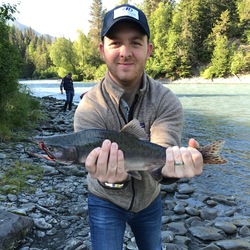

The Fall Confrerie St Etienne dinner highlighting Alsatian whites alongside French and Napa reds. A delightful evening!
Delicious Alsatian gewurztraminer. Light bodied. Honey comb and apricot finish. Small showing of orange marmalade. Fantastic with duck confit and sweet potato gnocchi! — 9 years ago
Jean Baptiste Ponsot
La Fosse Rully 1er Cru Pinot Noir 2010

Still drinking Bourgone. This time at Radisson Spa with Etienne. Very nice but could do with another 5 or 6 years in the cellar. — 13 years ago
Scott@Mister A’s-San Diego
2023 vintage. The lighter side of Chassagne-Montrachet with more mineral and less oak/body. If blind tasting, prob woulda said Grand Cru Chablis. Plenty of acidity. The anti-Chassagne. Picked up two 6pks. 10.8.25. — a year ago