Vinska Klet Colnar
Vinska Klet Goriška Brda
Krasno Sparkling Rebula

At Jacob party love — 8 months ago
Vinska Klet
Quercus Sivi Pinot Pinot Gris 2021


Vintage 2021 | very true to type Pinot Grigio, vibrant taste | at De Burgerij Ridderkerk | paired with antipasti and a salad — 4 years ago
Vinska Klet Goriška Brda
White with Maceration

This was very fresh and fruit forward for an orange wine. I think you could give this to people who have never had orange wine—or think they don’t like it—to convert them. I could see this going with a variety of foods. — 5 years ago
Vinska Klet
A+ Rdeče Merlot Blend 2013

Much lighter than I expected, but still very good. — 8 years ago
Vinska Klet
Goriska Brda Merlot
Smells and tastes like a wine from New World. Strong tobacco and cherries. — 10 years ago
Vinska klet Colnar
Modra Frankinja 2023

At Ljubljana Castle — 7 months ago
Vinska Klet
Quercus Cabernet Sauvignon
Nice wine to drink for the end of the day. Full bodied and flavorful — 2 years ago
Vinska Klet Goriška Brda
Krasno Goriška Brda Sauvignonasse 2019

Skin contact white made from Ribolla Gialla (Rebula-40%), Malvasia (30%) and Sauvignonasse (30%). Dark golden color. (Not quite an orange wine). Aromas of apricot, quince and mango fruit. Pallet features more peach, green apple and pear. Hints of dried herbs and limestone and nuts. Chalky texture. A touch of tannin and a pleasant bitter aftertaste. Medium bodied. — 4 years ago
Vinska Klet Goriška Brda
Krasno Goriška Brda Cabernet Franc Blend
love!! round — 5 years ago
Vinska Klet
Krasno Rdeči Red Blend
Very nice red blend, with a great amount of acidity and depth. — 8 years ago
Vinska Klet
Rebula Quercus Rebula 2013

Refreshing, citruses and apple on nose. Great one. — 11 years ago
Vinska klet Šuklje
Projekt Chardonnay
At Wine Bar Suklje in Ljubljana — 7 months ago
Vinska Klet Goriška Brda
Krasno Pinot Noir

How can you tell when you have great neighbors? When they bring you a bottle of this nice natural wine. An easy drinker with some currants and a bit of morel. Thank you, neighbors! — 3 years ago
Vinska Klet
Krasno Sparkling Rebula
Aromatic, flowery - very light — 5 years ago
Vinska Klet
Krasno Sauvignonasse 2020

Slovenian Skin contact blend of whites. Had just a nip but a brief glimpse of a blood orange styled orange wine. — 5 years ago
Vinska Klet Goriška Brda
Krasno Pinot Orange 2018
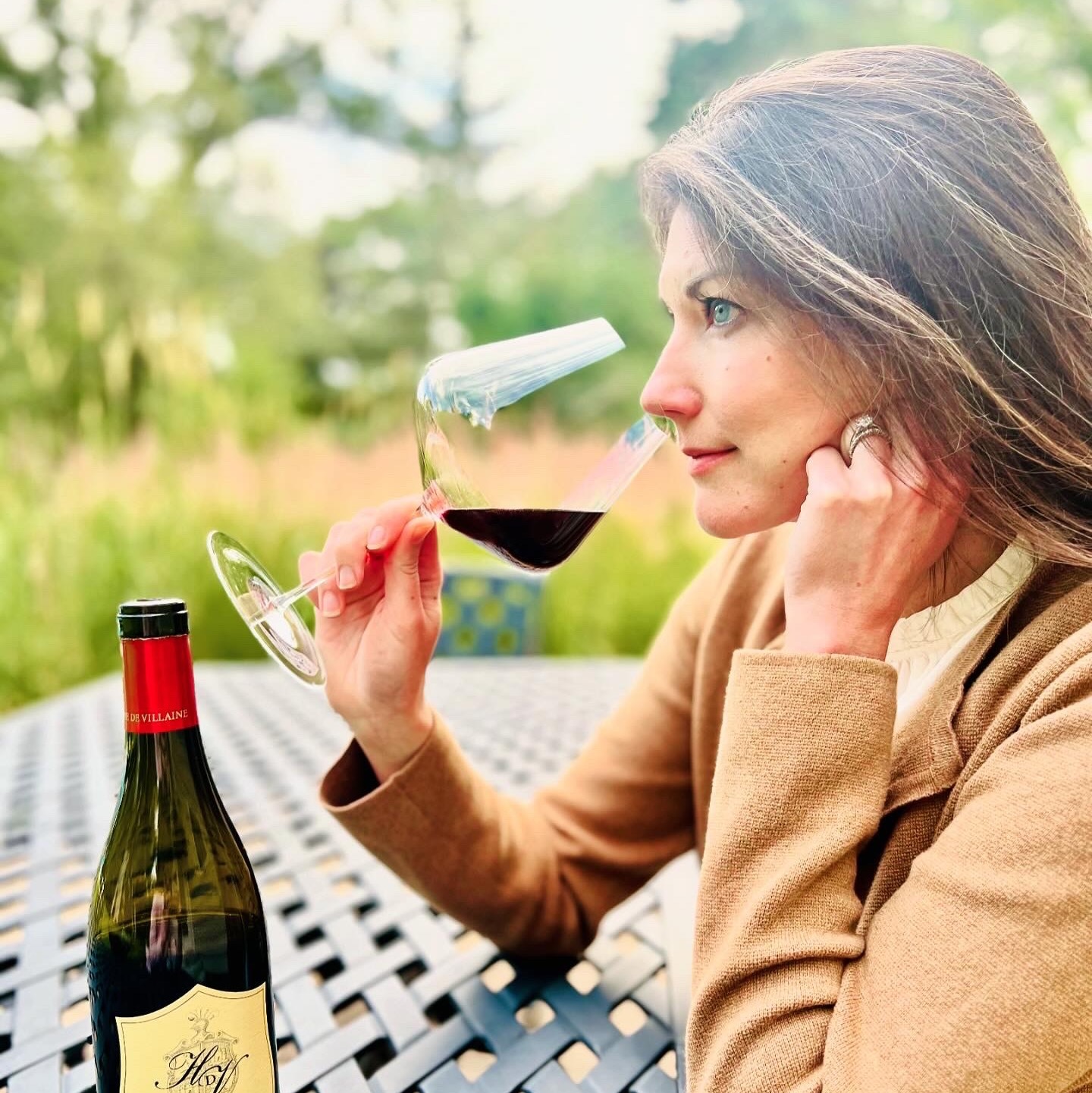
I love orange wine. 🧡 Better explained, I love wine made with white grapes that received extended skin contact (maceration) during the fermentation process. This extended skin contact deepens the color of the resulting wine and enhances the wine’s texture, tannins, and aromatics. Generally, the longer the maceration period, the greater its impact on the resulting wine. 👍
By contrast, a more typical white winemaking process would involve crushing and pressing the grapes off their skins, removing the skins and seeds, prior to fermentation. 👀
This technique of fermenting white wines “on the skins” derives from an ancient and traditional Georgian 🇬🇪 winemaking process of sealing whole, crushed grapes in a clay vessel – called a qvevri – that is buried underground to be kept cool for the period of fermentation, storage, and aging. When white grapes are used in this process, the result is an amber wine. 🙌🙌
The orange winemaking technique has now been adopted throughout the world, but some of my favorite examples come from Northeast Italy and Slovenia (neighboring regions). 🇮🇹 🇸🇮
My first experience with orange wine was in 2019 – clearly, I’m still a baby on this journey – dining at Restaurant Montcalm in Paris. I was captivated by the color, aromatics, and incredible food-pairing abilities of the orange wine we tasted with our first course, which was made from the Loire grape Melon de Bourgogne.
Whether it’s enjoyed as a solo sipper or paired with food, I so appreciate the versatility of these wines and am taking much pleasure expanding my orange-wine horizons. 😆😆😆
Here we have a Slovenian orange wine made from a blend of Ribolla Gialla (Rebula), Malvasia, Sauvignonasse, each of which were fermented and handled separately in different vessels and with use of a range of malolactic fermentation, lending richness and complexity.
This wine offers aromas and flavors of baked pear and apple 🍎 🍐 , lemon pith, orange peel, citrus and cherry blossom 🌸 , and wet slate. It has a rich texture and cream secondary notes. It’s lovely and hits the spot on this gorgeous spring evening. 🎯
Krasno, Orange, Vintage 2018, ABV 13%, from Brda, Slovenia. $19.00 at Lowry Hill Liquors. — 6 years ago

Lauren Golanty
Delightful! Bready!! — 7 months ago