W. Wheeler & Co.
Domaine A. et P. de Villaine
Bouzeron Aligoté 2019
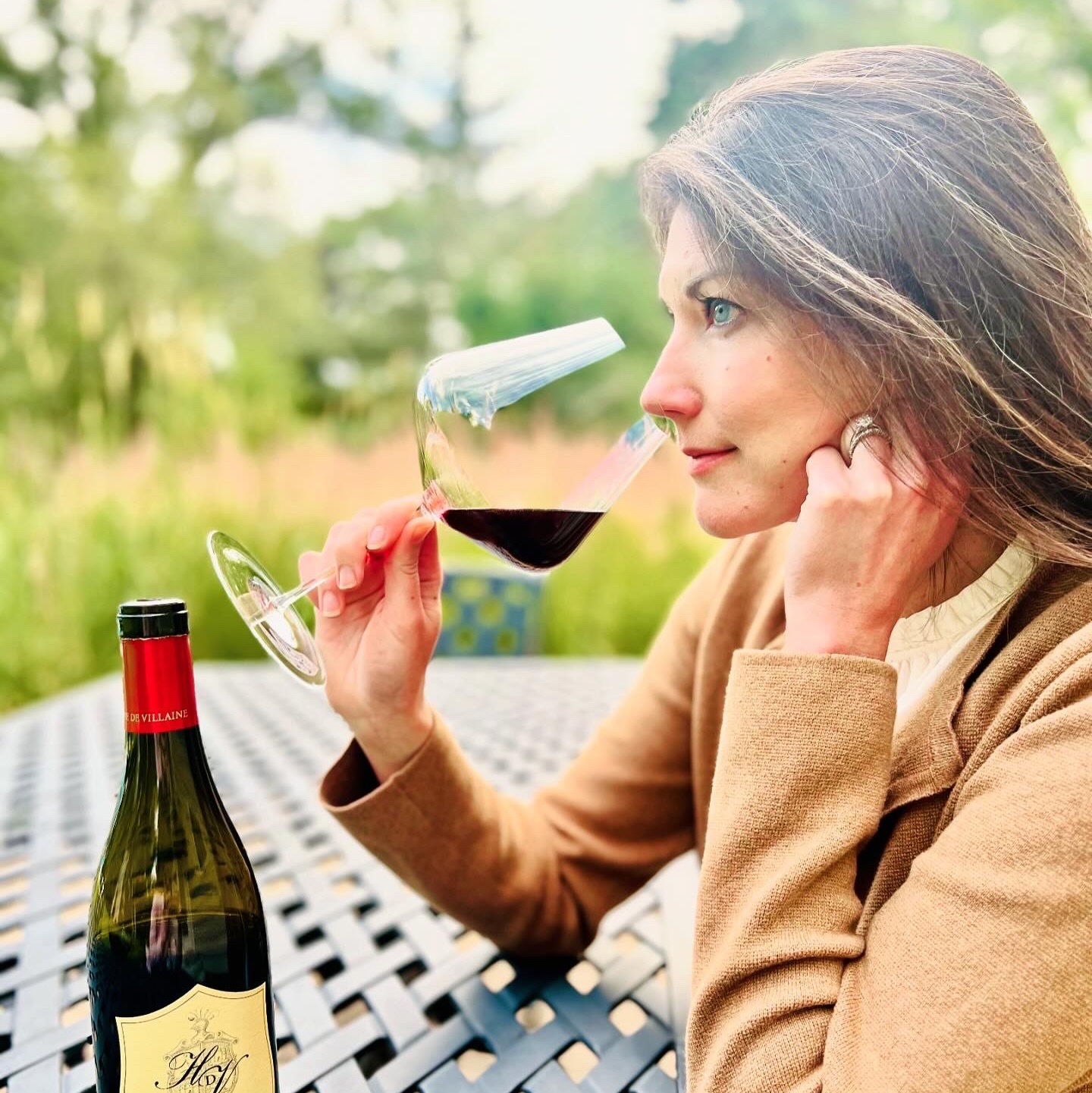
Burgundy 🇫🇷 is renowned for its Chardonnay, but did you know that Aligoté is the second most planted white grape in the region? 👀
Some of the finest Aligoté comes from ‘Bouzeron,’ an appellation in the Côte Chalonnaise region (north of Mâconnais, south of Côte d’Or).
In a land of Pinot Noir & Chardonnay, Bouzeron AOC is 100% dedicated to producing Aligoté 🙌🏻. In fact, it first became a legally-recognized AOC in 1998 thanks in part to the efforts of Aubert de Villaine, the winemaker behind this beautiful bottle. 👏🏻
Interestingly, Aubert is also a co-owner & co-Director of Domaine de la Romanée-Conti (DRC) (and, as an aside, was on the tasting panel for the 1976 Judgement of Paris 😆)…
Yet, instead of devoting himself exclusively to DRC — one of the world’s most famous and prestigious estates — he and his wife, Pamela (a California native), were enchanted by the possibilities of Aligoté, and terroir of Bouzeron, where they put down roots through “Domaine de Villaine”.
This wine is Domaine de Villaine Bouzeron AOC (2019). It has a shimmering lemon robe and bouquet of white blossom, just-ripe white peach, yellow apple, pear, citrus, fennel, and wet slate notes. It’s remarkably fresh on the palate with mouth-watering acidity balancing the warm (14% ABV) and fruit-driven profile. It’s positively delicious!
We’re pairing it w/ pan-seared sea scallops, roasted asparagus, & lemon-herbed farro…
Cheers to nurturing the diversity of Burgundy in all of its splendor! 🥂
💙🤍♥️ — 3 years ago

La Jota Vineyard Co.
W. S. Keyes Vineyard Merlot 2014
Another wonderful Merlot. Mountain wines are known for beautiful dark color, intense aromatics and full bodied flavors. This Howell Mountain wine does not disappoint. Beautiful ruby red color and great aromas of blue fruit, cedar and a little earthiness. The tannins on this young wine are very apparent but seem to integrate nicely with the intense flavors of blueberries and baking spices while in your mouth. I am sure this wine will improve with age but it drinks very well today. — 8 years ago
Bedrock Wine Co.
North Coast Syrah


Unreal quality. Smoke olives, and cured meat mingled w blue fruit and herbs.... high acid. Stupid good! — 9 years ago
Rock Wall Wine Co.
Jesse's Vineyard Zinfandel 2011

What a gem - this is what I have always loved about Zin, gorgeous red fruit & spice - fairly opulent style w/vanilla permeating through long beautiful finish. Harmonious — 10 years ago
Peter Michael Winery
Ma Danseuse Pinot Noir 2013

2013 Peter Michael Ma Danseuse Pinot Noir. Lunch at Tap w S&L DiM and P&S Co. Can't go wrong with this wine. Lovely PN to enjoy with lunch on a hot summer day. — 10 years ago
Colgin Cellars
Herb Lamb Vineyard Cabernet Sauvignon 1996
1996 Colgin Herb Lamb CS. Dinner at Tap w S&L DiM and P&S Co. Super interesting- big, rich notes of salty, meaty olives and briny olive juice. Had not had something quite like this before and none of us had ever drunk this vintage before either. — 10 years ago
Clos du Val Wine Co.
Napa Valley Cabernet Sauvignon 2021

Had the steak 945 at the W in Fort Lauderdale. Smooth and robust. Easy and enjoyable to drink. No strong aftertaste. Pairs great with a steak. — 3 years ago


Palmer & Co
Brut Blanc de Blancs Champagne Chardonnay 1985

Great champs. Very rich w maturity as a little mushrooms n leaves. But also apple n almost caramel. — 6 years ago
Rippon Vineyard
Mature Vine Lake Wanaka Pinot Noir 2012
Very nice CO PN w strawberries but more wild raspberries n a minerality. Very stringent. Developes in glass to leather, with fruit still there. — 7 years ago
Rene Rostaing
Ampodium Côte-Rôtie Syrah 2010
2010 was a very good vintage in Rhône. Rostaing is a well know producer with people that know and drink Northern Rhône wines, not so much with others that do not. The Ampodium is the entry level into Rene & Pierre Rostaing wines. It is a blend of 13 vineyards in Northern Rhône. They are simply one of the very best producers in the region. I spent an afternoon with Rene & his son Pierre tasting in the their cellar and in their La Landonne vineyard as shown in the photos. The 2010 is drinking beautifully with many good years ahead. On the nose; ripe & slightly stewed/baked fruits of; blackberries, dark cherries, strawberries, creamy raspberries, stewed plum, black raspberries, cherries, steeped fruit tea, dry crushed rocks, iron pan, some white & black pepper, bacon fat, grilled savory meats, pork, black licorice, black cherry cola, decayed & fresh red florals with violets. The body is round and medium full. The tannins round, still a little chewy & around 55% resolved. The length, texture, tension and balance are in near perfect harmony. The fruits are; round, ruby & ripe; slightly stewed/baked fruits of; blackberries, dark cherries, strawberries, creamy raspberries, stewed plum, black raspberries & cherries. Steeped fruit tea, dry crushed rocks, chalky minerals, iron pan, coffee grounds, spice, some baking spices w/hints of vanilla, white & black pepper, drying blood, dry herbs/bay leaf, dry stems, moderate levels of bacon fat & pork, grilled savory meats, black licorice, black cherry cola, decayed & fresh red florals with fresh violets for days. The acidly is round and dripping. The long finish is plush, velvety delicious and lasts & lasts. In good vintages, I would put this in blind with the best of of the best new world wines from any vintage that many love; SQN, Booker, Saxum, Alban, Cayuse, Horsepower etc.. I’d bet most of you would pick it over these producers that cost much more $$$. It’s simply one of the best pound for pound wines/producers for this varietal. Especially, for the $$$. Wow, what a wine for the $. $55 upon release. Photos of; Winemaker Pierre Rostaing and our group in their La Landonne vineyard, the small sign that barely identifies their Estate, an example of the Quartz mineral that runs throughout their La Landonne vineyard and the view back onto the river from the top of the very steep La Landonne Vineyard. Producer notes and history...Rene Rostaing produced their first wine in 1971. However, it took almost three decades before wine became a full time occupation for Rene Rostaing. Domaine Rene Rostaing came about through marriage. The wife of Rene Rostaing was the daughter of the famed Cote Rotie grower, Albert Dervieux, and the niece of Marius Gentaz-Dervieux who gave Christine the vineyard land that became the Northern Rhone estate for Rene Rostaing. Through inheritance from Albert Dervieux Thaize (his father-in-law) who retired in 1990, and from Marius Gentaz Dervieux, his uncle, Rene Rostaing expanded his holdings, giving him some of the best terroir in Cote Rotie. The new vineyard land was basically 3 small parcels in the La Landonne, Cote Brune and Vialliere lieux-dits. This initial expansion from his initial tiny parcel, allowed Rene Rostaing to change careers and become a full time vigneron. Since 2007, the estate has managed by Pierre Rostaing, (son) of Rene Rostaing. Currently Rene Rostaing owns 7.5 hectares of vines that is spread out among 20 different parcels located in 14 locations. Perhaps the most celebrated vines of Rene Rostaing are the 1.6 hectares of vines they own in the La Landonne vineyard (photo). On La Landonne, the vines are more than 60 years old. Some vines are even close to 100 years of age! Those are his largest holdings. The smallest vineyards of Rene Rostaing are located on Cote Blonde. Rene Rostaing also has vines planted in; Fonjean, La Vialliere, Le Plomb, Bouchare, Leyat, La Roche and La Tupin. Their oldest vines are more than 70 years old and are used for Rene Rostaing Cote Blonde. The majority of those plantings are on the steep hillsides with mica, schist and rocky soils. 25% of those vines are closer to the bottom of the slopes and on the flats. Rene Rostaing remains a traditional Cote Rotie producer who is not among the last to harvest. His wines are aged using very little new, French oak barrels. On average, Rene Rostaing Cote Rotie are aged in about 10% new French oak barrels. Rene Rostaing produces 4 different Cote Rotie wines. Rene Rostaing Ampodium, which was previously known as Rostaing Cuvee Classique, is a blend of 13 sections of different vineyards, but it does not include their best holdings on La Landonne or Cote Blonde. The fruit for Rene Rostaing Ampodium has at least 40% or more of the stems removed and run between 12-13.5% abv. The wine is usually made from 100% Syrah and is aged in an average of 15% to 25% new, French oak barrels. The amount of new oak can be less, depending on the character of the vintage. About 1,750 cases are produced each year. The wine is no longer called Cuvee Classique, the name was changed to Rene Rostaing Ampodium with the 2009 vintage. Rene Rostaing La Landonne comes from a terroir consisting of sands with iron oxide and traces of quartz. This wine is always produced from 100% Syrah. The grapes are partially destemmed, with about 10% to 20% of the stems removed, depending on the vintage. There are vintages when no destemming takes place. The remainder of the grapes are whole bunch fermented in stainless steel vats. Rene Rostaing is not a believer of using too much new oak for the aging, which on average uses 10% new, French oak barrels and the remainder of the harvest is aged in demi-muids (600 liter) and French oak barrels. This wine is like most wines from La Landonne, masculine and meaty in character, requiring at least a decade to soften and develop. On average, Rene Rostaing La Landonne produces less than 600 cases depending on what the vintage delivers. Rene Rostaing Cote Blonde is perhaps his best. It’s produced from a blend of 95% Syrah and 5% Viognier. The grapes are co-fermented. The vineyards is planted in the region call Arzel. Arzel is a poor, mineral laden soil with deposits of Silex and Mica on a steep hillside. The vines are more than 50 years of age. The grapes are partially destemmed…35% to 50% of the stems are removed. The remainder of the grapes are whole bunch fermented in stainless steel vats.
The remainder of the harvest is aged in demi-muids. This one is the hardest to find and most collectible of all their wines. In fact, they only produce close to an average of 350 cases of Cote Rotie in most vintages. Rene Rostaing Cote Brune made its debut with the 2013 vintage. The vines were once part of the holdings of Marius Gentaz, which eventually passed to Rene Rostaing. Rostaing replanted those vines in 2000. Made from 100% Syrah. — 9 years ago



Paul T, Missing My Beautiful Wife 24/7
Is this considered cold climate or warm climate?
Ichinokura Co. Ltd.
Taru Junmai Cedar Aged Sake

Agree w others it is quite cedar especially initially. Becomes more of a lingering aftertaste as it opens — 3 years ago
Cruse Wine Co.
Rancho Chimiles Vineyard Pétillant Naturel Valdiguié
Yangming w Roberto — 4 years ago
And Co. Ltd
The Supernatural Hawkes Bay Sauvignon Blanc
A New Zealand Sauvignon blanc that tastes like a Sancerre? I can F w that. — 5 years ago
Jorge Ordoñez & Co.
#2 Victoria Málaga Moscatel 2016

At Bull and Bear w Kellie epically delicious! Number 2! — 7 years ago

Clos du Val Wine Co.
Napa Valley Merlot 1996
It's in solid shape. Dark chocolate & mocha powder influenced; blackberries, dark cherries, cherries, strawberries, plums, just a whiff of green bell peppers & jalapeño, crushed brown volcanic rocks, mushroom, steely minerals, dry stems, decayed floral bouquet, fudge w/ nuts, orange peel, chocolate pudding, rich semi-sweet black turned earth, dry stones, vanilla, light spice-box, grilled meats, cigar, used leather, steeped tea, brewed dark roast coffee, anise, toffee, nutmeg, cloves, cinnamon, brilliant acidity, great; balance, tension, length, structure with a round, lush, full evenly mixed blend of all of the above on the long finish. Crazy, complex, every changing in the mouth beautiful Merlot. What was Paul talking about in Sideways? I'm thinking Mediterranean prepared Lamb Shank pairing. Oh...what were you doing in 1996? — 10 years ago

Screaming Eagle
Oakville Cabernet Sauvignon 1996
1996 Screaming Eagle. Dinner at Tap w S&L DiM and P&S Co. Superstar. We all remarked how unbelievably balanced this wine was, despite how big it remained at 20 years old. Finish lasted forever and was a truly memorable finish to the evening. — 10 years ago
Domaine Leroy
Clos de Vougeot Grand Cru Pinot Noir 1995
1995 Domaine Leroy Clos de Vougeot Burgundy. Dinner at Tap w S&L DiM and P&S Co. Such a treat. Pleasant sweetness and a really enjoyable lightness, despite its complexity and structure. Favorite. — 10 years ago
Kyle Katterjohn
Doing an Alaskan cruise@w Regent I get 2 bottles a day and have really enjoued@it@ Will@repeat — 4 months ago