Sakkie Mouton
Château Lafite Rothschild
Pauillac Red Bordeaux Blend 1996
Tasted blind. Deeper slightly brighter in colour, deeper ruby and a thinner garnet rim . Bit more closed and deeper in fruit , grafite , blackcurrants , wet stones , mineral . There is also a seaside , sea shore hint coming back to this . On the palate this has more volume than 1 , richer in style . More dusty and drier tannins , balanced acidity and good grafite tinged length . Mouton ? Lovely depth and expressiveness , exuberante, young still but with time really shows well. From now and over the next 10 -15 years. This was the Lafite , which surprised me , but still a beautiful wine. — 9 days ago

Baron Philippe de Rothschild
Mouton Cadet Red Bordeaux Blend 2019
Clear, medium ruby to garnet in color; on the nose, it's clean with pronounced intensity primary and secondary aromas of black cherries, cassis, and graphite; on the palate, it's dry with high acidity, high tannins, medium alcohol, medium body, and intense primary and secondary flavors of blackberries, black cardamom, and wet gravel with a medium finish. This wine is simple, but balanced. Overall, I rate this wine as good. — 7 months ago
Baron Philippe de Rothschild
Mouton Cadet White Bordeaux Blend 2011

Excellent! It took very little time to breathe which was unexpected for a 2011. We will be buying more of this if we can find it. — 2 years ago
Baron Philippe de Rothschild
Réserve Mouton Cadet Pauillac Red Bordeaux Blend 2015

2015 vintage, drank 17 July 2021.
Dark red, slightly brownish on the rim. Soft oak and spices on the nose. Velvety vanilla and berries on the mouth. — 5 years ago
Château Mouton-Baronne-Philippe
Pauillac Red Bordeaux Blend 1975

Our anniversary year! Found a low fill and we had it with filet . Still a fine bottle of wine with amber on the edge but plenty of mature fruit and the signature oak. Top shoulder fill and that is why we drank it. Much sediment but decanting saw a pure Bordeaux with complexity and mouth coating flavor. A treat to consume.😄🍷🍷🍷 — 6 years ago
Jean-Louis & Fabienne Mann
Le Mouton Bleu Alsace Sylvaner 2022

Brief impressionistic notes from memory: fairly ripe and soft for a Sylvaner. Not quite totally dry. Lotta character. — a month ago
Château Latour
Premier Grand Cru Classé Pauillac Red Bordeaux Blend 1996
Tasted blind. Again medium deep ruby with medium wide garnet rim . Again slightly aloof , showing a touch of herbaceous blackcurrant , mineral and slate notes . Probably the most closed of all coming back . Quite deep and rich again , mineral , blackcurrant, wet stones . Muscular tannins and balanced acidity , deep with a slight herbaceous touch on the decent finish . Latour ? Compared with the rest this is slightly pedestrian, even though it is still an excellent wine it’s not as thrilling as its Pauillac stablemates Lafite or Mouton. Perhaps needs even more time , come back in 5 years and will last well a further 10 -15. — 9 days ago
Château Mouton Rothschild
Aile d'Argent Blanc Bordeaux White Bordeaux Blend 2023
Very intense but well-balanced. Tightly wound on the nose with lanolin and beeswax, and a little bit of lemon curd, giving more lemon and viscosity on the palate. Long finish — 3 months ago


Baron Philippe de Rothschild
Mouton Cadet La Bergerie Red Bordeaux Blend 2017

2017 Full bodied and a smooth after taste. — 5 years ago

Château Clerc Milon
Pauillac Red Bordeaux Blend 2005
This is well beyond critical reviews young.
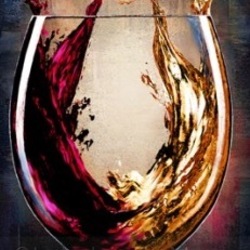
Sofia & I became friends with Jean D’Anjoy (photo to right). Winemaker who now runs all the Rothschild properties. He was the Assistant Winemaker at Opus One for 10 yrs. He had many offers to be a Napa Winemaker but refused. Had he, he would have been demeeded a Napa Winemaker when he wanted to always go back to Bordeaux as a Winemaker. Opus was fine as it is 1/2 French owed. He later became the the Clerc Milon Winemaker in 09. What a first vintage. He simultaneously built the new facilities at Clerc Milon. He is also perhaps the best & kindest human being I’ve ever met.
He arranged for Sofia & I to pick the Mouton Merlot and work all phases of the 2012 Clark Milon vintage. So, you might wanna not buy the 2012 vintage of Mouton & Clerc. 😂 He also arranged for us to sit at the Baroness’s table for the harvest luncheon where they poured the last of the filtered bottom of the barrels of 82 Mouton. I asked Sofia to pinch me. The Baroness sadly died two years later.
The nose is sweet and a touch sour; blackberries & black raspberries. Floral & slightly candied; dark and light cherries, juicy strawberries, raspberries and some circling baked rhubarb. Understated new oak barrel powder, beautiful baking spices-clove, nutmeg, cinnamon and vanilla, dry leaves and twig, baking powder, fresh and dry herbs, lead pencil shavings, limestone, dark soils, dry pebbles, red, and dark florals set in liquid violets.
The palate shows medium plus well rounded, softened, resolved tannins. The fruit is ripe and juicy. Blackberries & black raspberries. Floral & slightly candied; dark and light cherries, juicy strawberries, raspberries and some circling baked rhubarb. Understated new oak barrel powder, beautiful baking spices-clove, nutmeg, cinnamon and vanilla, dry leaves and twig, baking powder, mid, dark spices with a shade of heat, fresh and dry herbs, lead pencil shavings, moist to dry tobacco, used leather, limestone, dark soils, dry pebbles, red, and dark florals set in liquid violets, perfect acidity and a grand elegant, well balanced, integrated finish that lasts 90 seconds and lands on spice & earth.
An elegant beauty if I ever had one. Has another 5-7 yr ahead depending on storage.
Photos of; the new facilities at Clerc Milon, Jean D’Anjoy and their vineyards, barrel room and tasting/entertaining lounge.
Delectable & IOS 27 isn’t a good fit today. — 8 days ago
Baron Philippe de Rothschild
Mouton Rothschild For Philippine Pauillac Red Bordeaux Blend


Baron Philippe de Rothschild
Château Mouton Rothschild Pauillac Red Bordeaux Blend 1986

Wonderful deep and rich wine. This is in great shape. Dark plum and blakcurrant with iron and bloody intensity. Great tension and complexity. So fresh. This is great — 8 months ago

Baron Philippe de Rothschild
Réserve Mouton Cadet Graves Sauvignon Blanc Sémillon 2019

Reminds me a bit of a Chablis. Accompanied our risotto perfectly! — 5 years ago
Domaine Laurent Mouton
Clos Jus Givry 1er Cru Pinot Noir 2013

Dusty cherries, plum, smoke and cellar notes evolve to aromas of balsamic, tobacco and anise. Touches of rose pedal and tar as well. Tart cherry pie fruit with plum, strawberry and cranberry on the palate. Chalk and rusty nail add depth. Finishes with elegance and shining acidity. Tannins are not undersold, however. In a beautiful place now, but no rush. Really enjoyed the evolution in the glass. Pair with cedar smoked salmon or truffle pasta. — 7 years ago
Andrew Cullimore
Tasted blind. Medium ruby garnet , medium garnet rim . Quite classic and elegant, with cigar box , grafite and some dried earth , some slightly toasty notes also . On the palate this shows good balance , fresh acidity , classic blackcurrant , cigar box , earthy touch . Good depth and length , grafite tinged finish , quite correct and no extra sweetness or weight . Good length and a spicy , mineral , blackcurrant tinged finish . Lafite ? Still young , really well balanced. From now and over the next 10 to 15 years. This was actually the Mouton , which was a great surprise, but certainly a pleasant one ! — 9 days ago